
A root canal is a procedure specifically designed to save you from losing a tooth. Our teeth are comprised of certain parts, one of them being the pulp. A tooth’s pulp is where the nerve, blood vessels, and connective tissue are housed. When this area becomes inflamed or infected, then a root canal procedure must be taken in order to save that tooth from falling right out of your mouth.
How Do I Know if I Might Need a Root Canal?
When your pulp becomes inflamed or infected, you will begin to feel symptoms that prompt you to take action.
- Toothache: These are pretty common, but certain toothaches point to the possibility of an inflamed/infected pulp. If you experience sharp pain in the middle of the night that leads into a generalized headache, then your tooth’s root may be suffering.
- Abscess: If you see a bump near the top part of a tooth and/or pus present in the mouth, then there is a good chance a root canal will be required.
- Sensitivity: Extreme pain to hot and cold foods is a good indicator.
- Discoloration: Dark discoloration on the tooth points to a deteriorated pulp. This is a severe sign.
Don’t Wait
If you notice a recurring pain that doesn’t seem to halt, then contact our dentist immediately. It is always better to save a tooth than to have it extracted and replaced.
The Procedure
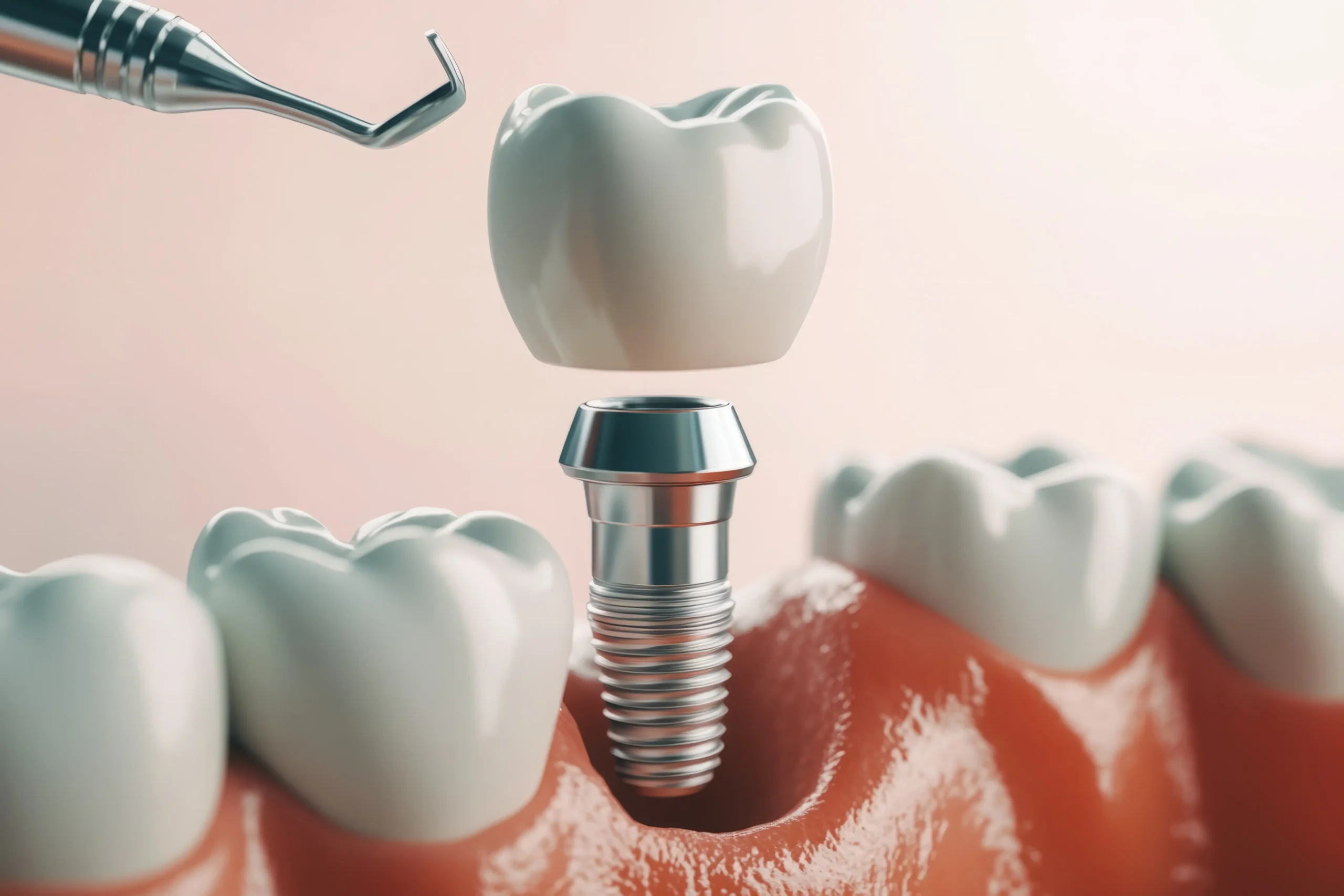
Root canals are often a two-appointment procedure, with the first appointment taking up to an hour to perform. The second appointment is for a dental crown since most of your tooth with be lost during the process and must be capped with a crown to restore its appearance.
Why Choose Dr. Sadat for Root Canal Treatment in Santa Monica?
The phrase “root canal” makes most people anxious, but patients who have had one with Dr. Fahtema Sadat often tell us it was nothing like what they feared. At Santa Monica Dental Studio, Dr. Sadat has made it her mission to change the way patients experience this commonly misunderstood procedure.
Root canal therapy is, at its core, a pain-relieving treatment. By the time most patients need one, they have already been suffering from significant tooth pain. Dr. Sadat’s priority is to relieve that pain quickly and thoroughly, using modern techniques and anesthesia that make the procedure far more comfortable than its reputation suggests.
Beyond the technical skill required for root canal treatment, what sets Dr. Sadat apart is her communication. She explains exactly what is happening inside your tooth, why it needs treatment, and what the procedure will feel like step by step. Patients who arrive anxious typically leave feeling relieved, both from the pain and from the worry. She also follows up personally to ensure your recovery is going smoothly.
If you are experiencing tooth pain or have been told you may need a root canal, do not wait. Call us at 310-453-4488 to schedule an evaluation as soon as possible.
Feel free to call our office at 310-453-4488 to learn more about the root canal procedure or any other services we provide. We will be happy to assist you with any questions or concerns you may have.
What is a root canal?
A root canal is a dental procedure used to treat infection or damage within the pulp — the soft inner tissue of a tooth containing nerves and blood vessels. The infected or inflamed pulp is removed, the canals are cleaned and shaped, and the tooth is sealed and usually protected with a crown.
How do I know if I need a root canal?
Common signs include a severe, persistent toothache; prolonged sensitivity to heat or cold; a darkening of the tooth; swelling or tenderness in the nearby gums; or a pimple-like bump on the gum. However, some infected teeth have no symptoms at all, which is why X-rays are an important diagnostic tool.
Is a root canal painful?
Root canals have a reputation for being painful, but modern techniques and anesthesia have made them no more uncomfortable than getting a filling. Most patients report that the relief from the pre-existing tooth pain is significant. Any post-procedure soreness is typically mild and managed with over-the-counter pain relievers.
How long does a root canal procedure take?
Most root canals are completed in one to two appointments, each lasting approximately sixty to ninety minutes. The complexity of the tooth's root structure and severity of the infection can affect the timeline. Your treatment plan will be discussed with you in advance.
What causes a tooth to need a root canal?
The most common causes are deep decay that has reached the pulp, a cracked or fractured tooth that allows bacteria to enter, repeated dental procedures on the same tooth, or a traumatic injury. In some cases, the pulp can become inflamed or infected without any obvious cause.
Can a root canal save my tooth?
Yes — saving the natural tooth is the primary goal of root canal therapy. Preserving your natural tooth maintains your bite, prevents neighboring teeth from shifting, and avoids the need for more complex tooth replacement options like implants or bridges.
What happens if I don't get a root canal when I need one?
Without treatment, a tooth infection will not resolve on its own. The infection can spread to surrounding teeth, bone, and soft tissue — and in severe cases, to other parts of the body. Delaying treatment also increases the likelihood that the tooth will need to be extracted.
Will I need a crown after a root canal?
In most cases, yes. After root canal treatment, the tooth becomes more brittle and is at increased risk of fracturing. A crown provides the protection needed to keep the tooth functional for years to come. Dr. Sadat will discuss this as part of your overall treatment plan.
How do I care for my tooth after a root canal?
Avoid chewing on the treated side until your permanent restoration is placed. Take any prescribed medications as directed. Maintain good oral hygiene and attend follow-up appointments. Once the crown is placed, care for the tooth as you would any other.
What is the success rate of root canal treatment?
Root canal therapy has a high success rate — studies show that properly performed root canals succeed in approximately ninety-five percent of cases. With good oral hygiene and appropriate restorations, a treated tooth can last a lifetime.
Is it better to have a root canal or have the tooth extracted?
Preserving your natural tooth is almost always the preferred option. Tooth extraction creates a gap that can lead to bone loss and shifting of neighboring teeth, and replacement options such as implants or bridges involve additional time and expense. Root canal therapy allows you to keep your natural tooth.
Can I drive home after a root canal?
If local anesthesia alone was used, you will be able to drive yourself home once the procedure is complete. If sedation was used, you will need a responsible adult to drive you. Dr. Sadat will discuss your specific situation at your appointment.
Will my tooth look normal after a root canal?
Once crowned, a root canal-treated tooth looks and functions just like a natural tooth. In some cases, a tooth that has been internally discolored by pulp damage can be brightened with internal whitening before the crown is placed.
Does a root canal require multiple appointments?
Some root canals are completed in a single visit; others require two appointments, especially if the infection is severe or the tooth has complex root anatomy. Your dentist will let you know what to expect after evaluating your X-rays and clinical situation.
Can the infection come back after a root canal?
In rare cases, a tooth that has been root canal treated can become reinfected, particularly if the seal fails, a crack develops, or new decay reaches the canals. If this occurs, a retreatment of the root canal or a referral to an endodontist may be recommended.
Ready to get started?
Send us a message or call the office and our team will help you get started.